

A service company needs replacement lamps for two hair removal systems. One quotation includes a clear part reference; another shows a similar-looking lamp at a lower price but leaves the specification blank. Before ordering original Excelitas flashlamps, the buyer needs to establish whether both suppliers are quoting the same component.
That small check can prevent a much larger purchasing problem. Appearance, manufacturer identity, and machine compatibility answer different questions, and each needs supporting information.
For distributors, procurement managers and biomedical engineers, a reliable order starts with an agreed specification. Here is what to confirm before committing to a single replacement or a wholesale purchase.
What does “original Excelitas flashlamps” mean?
“Original Excelitas” identifies Excelitas as the lamp manufacturer. It does not automatically mean the component is supplied in the equipment manufacturer’s branded packaging, or that it suits every machine within a particular brand.
Ask the supplier to state the manufacturer, complete product reference and supplied condition on the quotation. If you require new, unused lamps, make that requirement explicit.
Supply-chain traceability should also form part of the enquiry. Request available documentation connecting the supplied item to its stated origin, such as manufacturer identification, product labels and relevant supply records. Ask about batch information or certificates where applicable, rather than assuming every lamp comes with the same documents.
If your customer has specific acceptance requirements, share them before ordering. A document requested after dispatch may be difficult to obtain.
Confirm the machine model and lamp reference
A request for “a Candela lamp” or “a Cynosure replacement” leaves too much open to interpretation. Record the exact machine model, existing lamp part number and relevant equipment or component revision.
For example, Candela’s official Gentle Pro information lists several distinct models within the product family. That illustrates why a family or brand name is only the starting point for identification, not confirmation of replacement-part compatibility.
The same purchasing discipline applies when sourcing hair removal laser spare parts for DEKA, Lutronic and Lumenis systems.
Where available, include the equipment manufacturer’s service-part reference alongside the lamp manufacturer’s reference. Have the responsible engineer resolve discrepancies against applicable service documentation.
An installed lamp is useful evidence, but it may reflect an earlier substitution. Avoid copying a previous order blindly if the equipment history is unclear.
Compare technical specifications against documentation
Physical fit is one check; electrical and cooling compatibility require separate review.
Excelitas publishes specifications for its high-power, water-cooled flashlamps covering dimensions, arc length, voltage, power, gas type and assembly configuration. Its IPL documentation also identifies operating and triggering parameters. These differences matter when comparing apparently similar products.
The engineer reviewing a laser flashlamp replacement should check:
- Overall length, diameter and arc length.
- Electrical requirements and relevant operating conditions.
- Terminal, lead and connection arrangements.
- Cooling requirements and the intended assembly.
- Applicable drawings, tolerances and revision details.
Use the documentation for the actual lamp and equipment, not a general catalogue description. Ask the supplier to identify the basis of any compatibility recommendation.
Have qualified service personnel install it, following the equipment manufacturer’s procedures. Procurement approval should not depend on whether someone thinks a lamp can be adapted to fit.
Request photographs and identification records
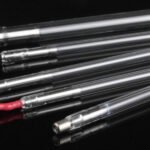
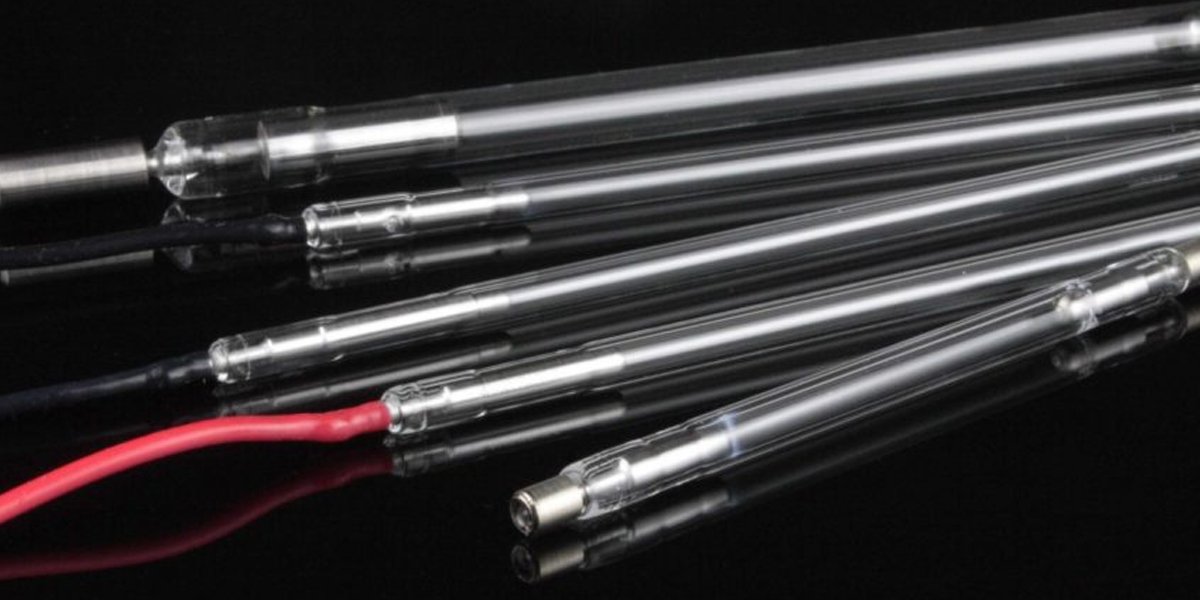
Ask for clear photographs showing the complete component, both ends, visible markings and packaging labels. When practical, confirm whether the photographs show the offered item or a representative product.
Pictures help reveal differences in connections and presentation, but they cannot establish authenticity on their own. Packaging can support identification; it is not independent proof of manufacture.
Compare the photographs with the quoted reference and available documentation. Any unexplained mismatch deserves clarification before payment.
For repeat purchasing, retain the approved quotation, relevant images and received-item details together. This gives your warehouse and engineering teams a usable reference when the next shipment arrives.
Distinguish original lamps from third-party replacements
An original Excelitas lamp and a replacement made by another manufacturer are different offers, even when both are described as suitable for the same application.
That distinction alone does not establish that one option will outperform the other. Assess the actual specifications, compatibility evidence, documentation, and commercial terms.
Ask suppliers to identify alternatives clearly. Terms such as “equivalent” or “replacement” should be accompanied by the offered manufacturer and reference.
Likewise, a component manufacturer’s original lamp should not automatically be described as the equipment manufacturer’s original service assembly. Your purchase order should accurately describe what your customer or engineer has approved.
Check exactly what the quotation includes
A bare flashlamp is not necessarily a complete replacement package.
Clarify whether the offer includes only the lamp or also fittings, leads, seals, connectors or a larger assembly. Excelitas lists accessories such as end caps, trigger wires and sockets within its IPL flashlamp offering, making configuration an important purchasing detail.
The responsible engineer should determine which associated items the job needs. Do not assume reusable parts are suitable simply because they were present in the previous assembly.
Compare quotations with equivalent contents. A cheaper offer may cover fewer components, while a higher price may include items you do not require.
Agree on packaging, shipping and storage
Fragile components need a clear transport plan. Ask how lamps will be secured, separated and labeled, particularly when several references share one shipment.
Confirm the delivery address, freight charges, shipping responsibilities and any agreed insurance arrangements. Distinguish the supplier’s dispatch estimate from the carrier’s estimated transit time.
Request handling and storage instructions applicable to the supplied product. Avoid prescribing one cleaning method or storage condition for every lamp.
On arrival, check quantities, references and visible condition before placing the goods into stock. Preserve the packaging and photograph any damage promptly so the supplier can review the issue under the agreed claims process.
Plan bulk orders around actual requirements
For a bulk flashlamp supplier, a useful inquiry specifies quantities against individual references. “Twenty lamps” is unclear if the order covers different systems or assemblies.
Separate urgent service requirements from replenishment stock. Ask whether partial deliveries are possible and whether each line has its own lead time.
Confirm quotation validity, payment terms, and whether availability must be reconfirmed when the order is placed. Prices and supply arrangements should be recorded for the specific transaction.
Require approval before substitutions or specification changes. For recurring orders of wholesale laser spare parts, maintain a purchasing record showing the approved manufacturer, reference, configuration and documentation requirements.
Order consistency means receiving the agreed product each time, with any differences communicated before shipment.
Read the warranty and returns terms
Request written terms before payment, including how incorrect items, transit damage and suspected product faults are handled.
Clarify the reporting deadlines, required evidence, return authorization process, and responsibility for return freight. Ask what happens after a claim is assessed: replacement, credit, refund or another agreed remedy.
Warranty coverage and expected lamp life are separate matters. Excelitas notes that operating conditions affect lamp life, so a flash-count claim should be supported by the applicable documentation and clearly defined conditions.
Do not treat a verbal lifespan estimate as a warranty commitment. Record the terms your business is actually accepting.
Common mistakes that complicate orders
Most avoidable problems begin with an incomplete inquiry:
- Omitting the full part number or relevant suffix.
- Assuming two lamps are interchangeable because they look alike.
- Ordering by machine brand without confirming the model.
- Leaving quantities or package contents open to interpretation.
- Comparing prices without comparing specifications and freight.
- Accepting a substitution without technical approval.
A short review between purchasing and engineering can resolve these gaps before an order becomes difficult to change.
Buyer checklist before placing an order
Confirm the following with your supplier and technical team:
- Exact equipment model and relevant revision.
- Complete lamp and service-part references.
- Approved specification and compatibility basis.
- Stated manufacturer and new or other supplied condition.
- Photographs and available traceability documents.
- Bare lamp or assembly contents.
- Quantity for each order line.
- Lead times, quotation validity and shipping terms.
- Packaging, handling and storage guidance.
- Written warranty, returns and claims procedures.
Frequently asked questions
Can one Excelitas flashlamp fit several machine models?
Possibly, but confirm shared compatibility for the specific reference and equipment versions. Do not extend a confirmed match to other models simply because they belong to the same brand.
What if the existing lamp’s part number is unreadable?
Provide the exact machine model, relevant service records and clear component photographs. Ask your service engineer to identify the required reference using applicable documentation; photographs alone may be insufficient.
Should a distributor test an initial order before buying in volume?
For an unfamiliar reference, a smaller initial purchase may help confirm receiving requirements and the agreed configuration. Any technical evaluation should follow the equipment manufacturer’s procedures and be conducted by qualified personnel.
What information helps a supplier quote a mixed bulk order?
Provide a separate line for every reference, quantity, and required configuration. Add the delivery destination, requested schedule, and documentation needs so the supplier can accurately distinguish the requirements.
Request a bulk quotation from VF Photonix
VF Photonix supplies original Excelitas flashlamps and wholesale laser spare parts, focusing on hair removal systems from Candela, Cynosure, DEKA, Lutronic, and Lumenis. Each enquiry needs review against the specific equipment and component requirements.
Send VF Photonix your machine model, existing flashlamp part number, clear photographs, and required quantity for a compatibility review and bulk quotation. Include your delivery destination and any documentation requirements so the proposed order can be assessed before you commit.